



23
Feb
Pre-Season Training: Why Young Athletes Break Down (And How To Prevent It)
Comments
By Callan Gregory – Osteopath
Every year around this time, I see the same pattern.
Pre-season starts.
Training frequency doubles.
Intensity increases.
And within 3–6 weeks… injuries appear.
Training frequency doubles.
Intensity increases.
And within 3–6 weeks… injuries appear.
AFL and soccer players are particularly vulnerable during this period, especially adolescents whose bodies are still developing.
Why Does This Happen?
The biggest factor is something we call unaccustomed loading.
If an athlete has been training once per week over summer and suddenly jumps to four sessions plus a practice match, the body experiences a spike in load it hasn’t adapted to.
In sports science, we look at this as:
Load vs Capacity
-
Load = the stress placed on the body (running volume, sprinting, jumping, gym work)
-
Capacity = what the athlete’s tissues (muscles, tendons, bones, joints) are prepared to tolerate
When load exceeds capacity, particularly repeatedly, we start to see:
-
Patellar tendon pain
-
Osgood Schlatter flare-ups
-
Achilles irritation
-
Shin splints (tibial stress reactions)
-
Hamstring strains
-
Recurrent ankle sprains
-
RSI-type presentations from repetitive kicking or throwing
And it’s rarely one “big moment.”
It’s usually cumulative overload.
It’s usually cumulative overload.
Why Adolescents Are At Higher Risk
Young athletes are often:
-
Growing rapidly
-
Sleeping less than ideal
-
Managing school stress
-
Playing multiple sports
-
Lacking structured strength training
This creates a mismatch between performance demand and tissue capacity.
My Personal Perspective
I’ve been through it myself.
As a developing athlete, I pushed hard through pre-seasons without fully understanding load management. I dealt with my own run of sports injuries that, in hindsight, were predictable not unlucky.
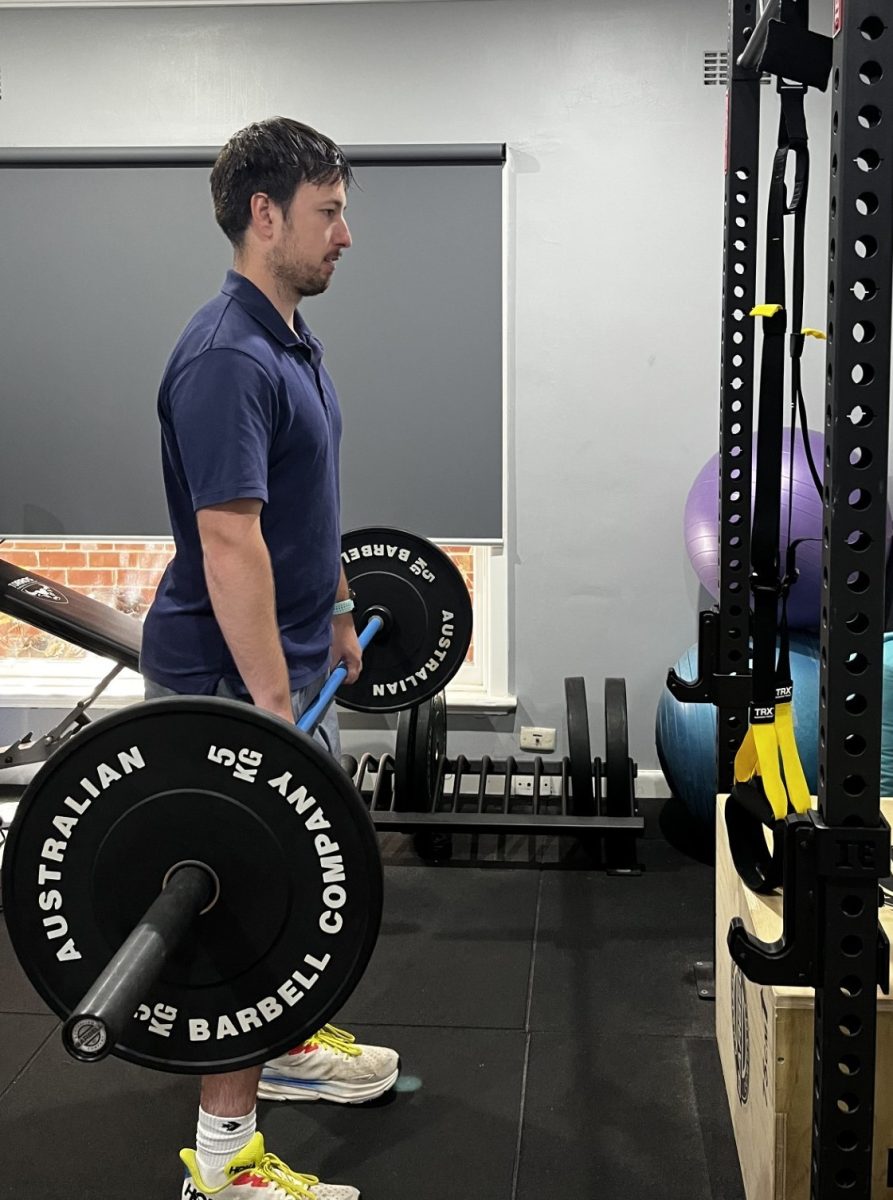
That experience, combined with my current Masters studies in High Performance Sport, has really reinforced how powerful structured strength and conditioning can be in injury prevention.
Resilience isn’t built by accident.
It’s built progressively.
It’s built progressively.
What Can Be Done Right Now?
If your child is entering pre-season:
✔ Gradually increase running volume
✔ Introduce strength training early
✔ Prioritise posterior chain capacity (glutes, hamstrings, calves)
✔ Monitor soreness patterns
✔ Address small niggles early
✔ Respect recovery (sleep + nutrition matter)
✔ Introduce strength training early
✔ Prioritise posterior chain capacity (glutes, hamstrings, calves)
✔ Monitor soreness patterns
✔ Address small niggles early
✔ Respect recovery (sleep + nutrition matter)
The goal isn’t to train less.
It’s to train smarter.
It’s to train smarter.
The Window Is Now
The first 4–6 weeks of pre-season are where we can:
-
Improve tissue capacity
-
Identify biomechanical risk factors
-
Manage load progression
-
Reduce the likelihood of mid-season breakdown
Once competition starts, it’s much harder to build capacity, we’re mostly just managing load.
If you’re a young athlete or a parent of one, and you want to ensure this season isn’t disrupted by preventable injury, now is the time to act.
📍 I consult at Parkdale Osteopathic Clinic
📞 (03) 9580 1820 or online at: https://parkdale-osteopathic-clinic.au1.cliniko.com/bookings?practitioner_id=1599660053093156050
📞 (03) 9580 1820 or online at: https://parkdale-osteopathic-clinic.au1.cliniko.com/bookings?practitioner_id=1599660053093156050
Let’s build durability, not just fitness this season.
Callan Gregory